Active Aero & Overtake Mode - Decoding F1's Fresh Regulatory Jargon
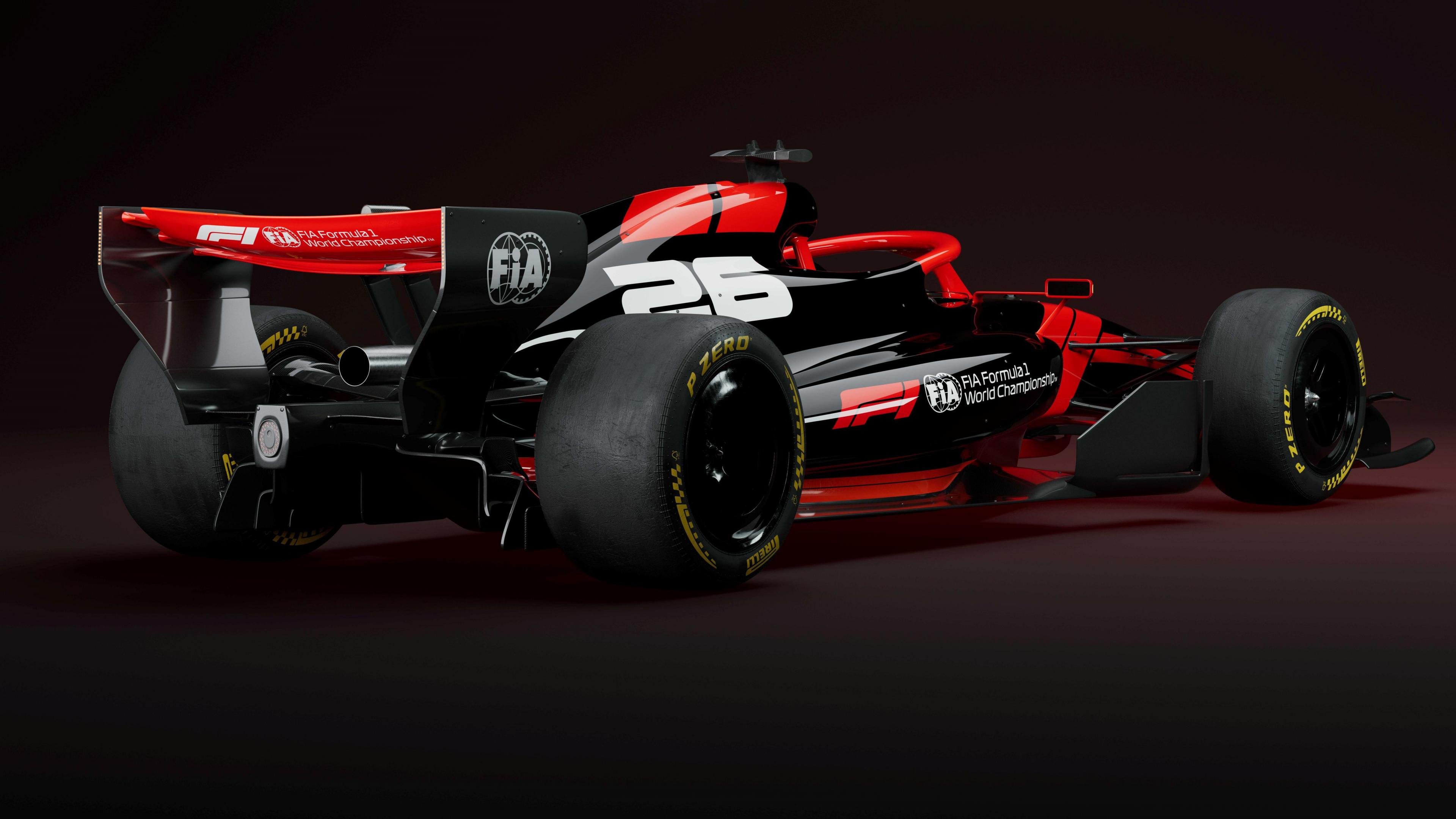
The vehicles for the 2026 season are set to be smaller, nimbler and more environmentally friendly relative to present-day cars.
Formula 1 has introduced the official terminology that will be used to reference the technical complexities of its upcoming 2026 technical rules.
The sport is embarking on what is arguably the largest rules overhaul in its competitive history starting in 2026, featuring fresh chassis and power unit regulations and the mandatory use of 100% sustainable fuels.
The revised engines, which retain the 1.6-litre V6 turbo hybrid, boast a greatly enhanced electrical capacity, necessitating key advancements in the cars' aerodynamics.
Throughout races, drivers will tactically deploy ERS energy – including during hot laps – to extract the best performance.
Broad surveys were carried out with a mix of viewers, including dedicated enthusiasts and casual observers, to identify which terms would aid comprehension of the key features of the upcoming rules.
The primary aim was to render a range of advanced technical aspects of the sport as straightforward as possible for the widest audience.
Consequently, older technical labels for some systems – such as "modes labelled X and Z" for the adjustable aero – have been discarded in favor of intuitive labels that succinctly convey the primary purpose of the innovation.
Key Technical Innovations
Regulators explain that competitors will have greater control to determine tactics regarding power usage, regeneration, and conservation.
The new regulations feature a set of functions that will be clearly indicated on TV overlays to enhance the fans' insight of the on-track action.
- Attack Mode: This takes over from the present overtaking aid. It provides a burst of extra electrical energy available when a competitor is close behind the leading car to execute an pass.
- Boost Mode: This is a manual energy deployment from the ERS that can be utilized during attack or defence. It delivers the pilot maximum power at the push of a button.
Both of these key functions will have to be deployed strategically, as the overall battery capacity is strictly limited.
- Active Aerodynamics: Both the nose and rear wings change configuration – spreading on the high-speed sections for minimal air resistance and top speed, and angling down in the bends for peak grip.
- Battery Recharge: Cars can replenish their battery with energy harvested under braking, or during throttle lift at the conclusion of a straight or in sections where only partial power is used.
2026 Car Specifications
The next-generation machines will be reduced in size and weight compared to the 2025 spec, with a wheelbase shortened by 200mm to 3,400mm, overall width cut by 100mm – down to 1,900mm – and the car weight decreased by 30kg.
Total aerodynamic grip is projected to decrease by approximately a significant margin, although teams will inevitably claw this back as they refine their designs.
Air resistance has been reduced by 40%. The vehicles will utilize moveable wing elements – both wings will open on the straights to reduce drag and increase straightline speed and return into place for maximum cornering performance.
Tyres will retain 18-inch rims, but the tyres themselves will be slimmer, by 25 millimetres on the front axle and 30 millimetres on the rear axle.
Power Unit Revolution
The revised hybrid units will have an near-equal balance in horsepower generated by the ICE and the battery and motor, up from about 20% electrical under present rules.
The energy recovery system is simplified through the deletion of the MGU-H, the complicated and costly device that recovered energy from the exhaust turbo.
All vehicles will be obliged to compete on carbon-neutral fuel, produced using organic sources or lab-created processes.
